



A Comprehensive Guide To Cleaning Your Walk-in Wardrobe
There’s something wonderfully indulgent about having a walk-in wardrobe. It’s the stuff of interior design dreams, isn’t it? That moment when you can finally ditch the overflowing IKEA PAX and step into your very own dressing room. You’ve arrived. You’re living your best Carrie Bradshaw fantasy.
Fast forward six months, and somehow your dream feature has transformed into a dust-gathering, moth-inviting, “where on earth did I put that blazer?” nightmare. The truth is, walk-in wardrobes are brilliant until they’re not. They demand more attention than their closed-door cousins, and if you’ve been treating yours to nothing more than the occasional guilty tidy-up whilst hunting for matching socks, we need to talk.
The good news? A proper deep clean isn’t nearly as daunting as Marie Kondo-ing your entire life or hiring a professional organiser for the price of a weekend in the Cotswolds. What you need is a solid plan, a free afternoon, and possibly a strong coffee. Let’s transform that wardrobe from “explosive disaster zone” back to “enviable sanctuary.”
Why Your Walk-in Wardrobe Deserves More Than a Quick Tidy
The Hidden Dust Trap You’re Living With
Here’s the thing nobody tells you when you’re planning your dream walk-in wardrobe: they’re absolutely magnificent at collecting dust. We’re talking Olympic-level accumulation. Unlike a traditional wardrobe with doors that shield your clothes from airborne nasties, your walk-in is essentially an open invitation for dust, fibres, pet hair (yes, even from next door’s cat somehow), and all manner of microscopic party crashers.
The increased air circulation that makes these spaces feel so luxurious also means every time you walk past, you’re stirring up a miniature dust storm. Those gorgeous open shelves? They’re displaying your handbag collection alongside a fine coating of London grime. The exposed hanging rails? They’re gradually turning your favourite cashmere into a dust magnet.
Beyond the obvious aesthetic horror of dusty surfaces, there’s a genuine health consideration here. Dust mites absolutely adore the cosy environment of wardrobes, and they’re not paying rent. For anyone with allergies or asthma, a neglected walk-in wardrobe can trigger symptoms faster than the Central Line at rush hour triggers existential dread. Regular deep cleaning isn’t just about keeping up appearances—it’s about maintaining indoor air quality and ensuring you’re not breathing in yesterday’s dust with today’s outfit choices.
Protecting Your Investment (One Cashmere Jumper at a Time)
Let’s be honest about something: you didn’t shell out £200 for that “investment piece” blazer only to have it slowly destroyed by preventable wardrobe neglect. Whether we’re talking about your work wardrobe, your cherished vintage finds from Portobello Road, or those designer shoes you absolutely didn’t need but absolutely had to have, proper wardrobe maintenance is about protecting what you’ve spent your hard-earned money on.
Moths are the villain in this story, and they’re far more common in London homes than anyone wants to admit. These little fabric-munching monsters are particularly fond of natural fibres—your wool, your silk, your cashmere. One tiny moth hole in your favourite jumper, and suddenly you’re spiralling into “why do I even bother?” territory. A clean, well-maintained wardrobe with proper ventilation is your first line of defence.
Then there’s moisture, which creeps in more easily than you’d think, especially in older London properties with their charming period features and not-so-charming damp issues. Moisture leads to mildew, mildew leads to musty odours, and musty odours lead to that horrifying moment when you realise your entire wardrobe smells like your great aunt’s attic. Not the vibe you’re going for.
The Complete Walk-in Wardrobe Cleaning Process
Step One – The Great Emptying (Everything Must Go)
Right. Deep breath. This is the bit that feels overwhelming, but it’s absolutely essential. You cannot properly clean around your belongings—you need a completely blank canvas. Think of it as the wardrobe equivalent of turning it off and on again: sometimes you need to start from scratch.
Begin systematically. Don’t just yank everything out in a frenzy (we’ve all been there, spiralling at midnight). Work section by section: hanging clothes first, then shelves, then drawers, then shoes and accessories. As you remove items, create temporary sorting stations on your bed or in your bedroom. Hanging rail items in one area, folded items in another, shoes lined up against the wall.
Yes, you’re going to look at this mountain of possessions and think, “Do I really own all this?” Yes, you do. Yes, it’s slightly horrifying. Yes, we’re all in the same boat. This moment of reckoning is actually quite healthy. Consider it exposure therapy for your shopping habits.
Place everything carefully—you don’t want to create more work by having to iron or re-fold later. This isn’t the time to just chuck things on the floor like a teenager whose parents have gone away for the weekend. You’re a sophisticated adult with a walk-in wardrobe, after all.
Step Two – Deep Clean From Top to Bottom
Now for the satisfying bit. With your wardrobe stripped bare, you can finally see what you’re working with—and you might be slightly appalled. That’s fine. That’s why we’re here.
Start at the top and work your way down. Ceiling first (yes, really), including any light fixtures or recessed lighting. Dust and cobwebs accumulate up there like they’re building a property portfolio. Use a long-handled duster or a hoover with an extension wand. If you’ve got a fancy chandelier situation happening, give it the attention it deserves.
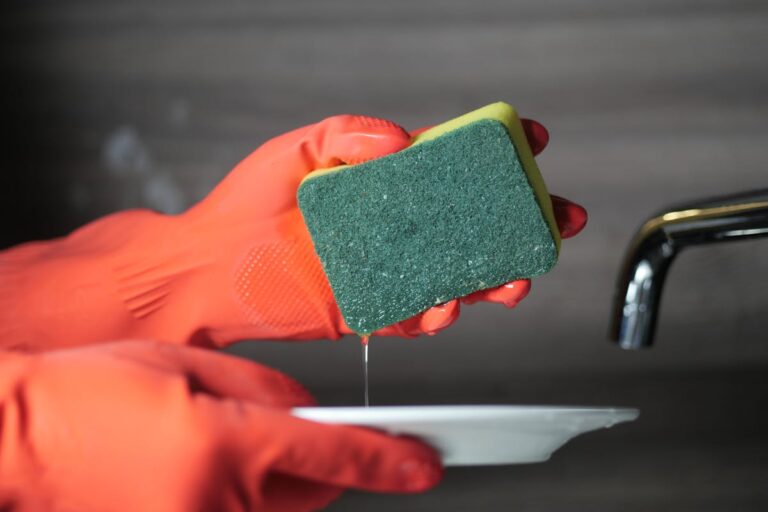
Move to the walls next. Wipe down any painted or wallpapered surfaces with a barely damp microfibre cloth. For stubborn marks, a diluted solution of warm water and a drop of washing-up liquid works wonders. If you’ve got wooden panelling or fancy joinery, use a wood-safe cleaner and go with the grain.
Now tackle the shelves. Remove any shelf liners (if they’re looking grim, bin them—new ones are cheap), and wipe every surface thoroughly. For wooden shelves, a quality wood polish will clean and protect. Glass shelves appreciate a spritz of window cleaner and a buff with newspaper for that streak-free shine. Metal wire shelves can be hoovered first to remove loose dust, then wiped down with an all-purpose cleaner.
Rails need love too. Wipe down hanging rails with a damp cloth, paying attention to the brackets and any decorative end caps where dust loves to settle. Chrome rails will gleam beautifully with a quick polish. If you’ve got velvet hangers (fancy), give them a quick once-over whilst you’re at it.
Mirrors—because what’s a walk-in wardrobe without a full-length mirror or three?—should be cleaned with proper glass cleaner. The trick is to spray the cloth rather than the mirror to avoid streaky drips.
Finally, the floor. Hoover thoroughly, getting right into the corners and along the skirting boards. If you’ve got carpet, consider using the upholstery attachment for a deeper clean. Hard floors can be mopped with an appropriate cleaner—wood floors need their special treatment, tiles can handle more vigorous mopping. Don’t forget to pull out any built-in shoe racks or drawer units to clean behind and underneath them. It’s grim back there. We know.
Step Three – Don’t Forget These Often-Missed Spots
Even the most thorough cleaners miss these sneaky areas, so let’s make sure you don’t.
Door frames and architraves are dust magnets that nobody thinks about until they’re running their hand along them and regretting everything. Give them a wipe. Light switches accumulate finger marks like they’re collecting evidence for CSI. A quick wipe with antibacterial spray and they’re good as new.
Shelf brackets and those little support pegs? Dust city. Remove them if possible and give them a proper clean. The backs of doors often get ignored, but they accumulate dust and sometimes even mildew if moisture is an issue. Wipe them down, including any hooks or hanging organisers.
Ventilation grates are absolutely filthy, and you don’t want to think too hard about what you’re breathing in. Unscrew them if you can and give them a proper wash. At minimum, hoover them thoroughly. The spaces underneath built-in drawer units are where lost earrings go to die, along with approximately six months’ worth of dust. Get down there with a hoover extension and reclaim whatever treasures (or horrors) await.
Organising As You Return Items (A Fresh Start)
The Edit That Changes Everything
Right, here’s your golden opportunity. Everything’s out, everything’s visible, and you’re looking at pieces you forgot you owned alongside pieces you wish you could forget you own. This is the perfect moment to be ruthless.
That dress you bought for a wedding in 2019 and haven’t worn since? The jeans that’ll “definitely fit again soon”? The impulse purchase from & Other Stories that looked brilliant in the changing room but has remained steadfastly unworn? It’s time for some honest conversations with yourself.
Create three piles: keep, donate, and maybe. The maybe pile is crucial because it prevents decision paralysis. You don’t have to commit right now. Box up the maybes, mark the box with today’s date, and store it elsewhere. If you haven’t retrieved anything from it in six months, you’ve got your answer.
Be realistic about your actual life. You might dream of being someone who wears silk blouses and tailored trousers, but if you’re really a jeans-and-jumper person, that’s completely fine. Donate those aspirational pieces to someone who’ll actually wear them. Charity shops across London will thank you.
Smart Storage Solutions That Actually Work
As you return items to your freshly cleaned wardrobe, think strategically. This is about creating systems that you’ll actually maintain rather than elaborate organising schemes that look brilliant on Instagram but collapse within a fortnight.
Seasonal rotation is your friend, especially in London where we optimistically keep summer clothes accessible until mid-October. Store out-of-season items in the less accessible areas—top shelves or under-bed storage. Your current season’s wardrobe should be front and centre.
Give your clothes room to breathe on the rails. Packed-tight hanging means wrinkles, lack of air circulation, and the inevitable “I can’t find anything” spiral. If you’re struggling for space, you’ve either got too many clothes or you need a bigger wardrobe. Usually, it’s the former.
Shoes appreciate proper storage. If you’ve got the space, keep them in their boxes with a photo stuck to the front (or just arrange them visibly). Either way, they should be up off the floor where dust accumulates. Decorative boxes or clear containers work brilliantly for accessories—you can actually see your scarves and bags rather than excavating like an archaeologist every morning.
Create zones within your wardrobe. Work clothes here, casual there, special occasion over there, gym gear in the furthest corner where you can pretend it doesn’t exist. Your morning routine will thank you when everything has a logical home.
Maintaining Your Sparkling Wardrobe (Weekly and Monthly Tasks)
Here’s the truth: ten minutes a week beats four hours quarterly. You’ve just invested significant time and effort into this deep clean. Don’t let it slide back into chaos because you couldn’t be bothered with basic maintenance.
Weekly tasks are genuinely quick. Run the hoover over the floor—two minutes, maximum. Put away any clean laundry properly rather than draping it over that chair (you know the one). Do a visual sweep for any spills, marks, or developing issues. That’s it. Sorted.
Monthly, step things up slightly. Check for signs of moths—little holes in fabric, small moths flying about, or tiny larvae casings in corners. If you spot any, deal with them immediately before they invite their extended family for Christmas. Wipe down surfaces that have accumulated dust. Rotate seasonal items if needed. Check that nothing’s developing mildew or mystery stains.
The key is making it habitual rather than thinking of it as a chore. Five minutes when you’re putting away laundry, another five when you’re choosing your outfit. Build it into your existing routines, and suddenly it’s not a separate task—it’s just part of how you maintain your space.
When to Call in the Professionals
Look, we’re not saying you can’t handle wardrobe cleaning yourself—you absolutely can, and this guide proves it. But sometimes, professional help is worth every penny.
If you’ve got fitted carpet in your walk-in that’s looking worse for wear, professional carpet cleaning equipment gets results that domestic hoovers simply cannot match. Deep-seated odours that won’t shift despite your best efforts? Professionals have industrial-strength solutions and ozone treatments that actually work. Discovered mould or persistent damp issues? That’s beyond a weekend cleaning project—you need experts who can address the underlying problem.
Spring cleaning is another brilliant time to consider professional help. Get someone in for a thorough deep clean whilst you tackle the decluttering side. They’ll do the heavy lifting (quite literally) whilst you make the executive decisions about what stays and what goes.
Moving house? Professional cleaners can make your walk-in wardrobe pristine for viewings or for the next occupants. It’s one less thing to stress about when you’re already juggling approximately seventeen thousand other moving-related tasks.
Conclusion
A walk-in wardrobe is a luxury feature that deserves luxury treatment. The difference between a dream dressing room and a cluttered nightmare is simply regular maintenance and the occasional deep clean. You’ve now got everything you need to keep yours looking absolutely pristine.
Start with that thorough deep clean, establish realistic maintenance routines, and suddenly you’re back to enjoying the space rather than apologising for it when guests catch a glimpse. Your clothes will last longer, your mornings will be calmer, and you’ll actually be able to find that blazer when you need it. Worth the effort, wouldn’t you say?