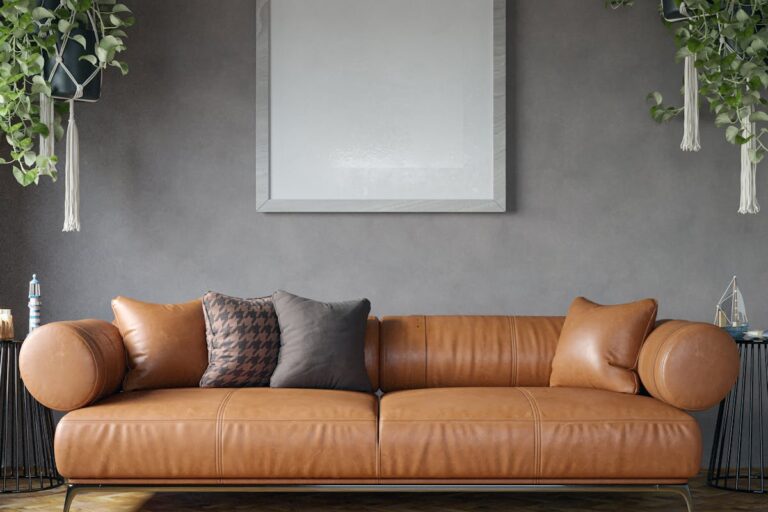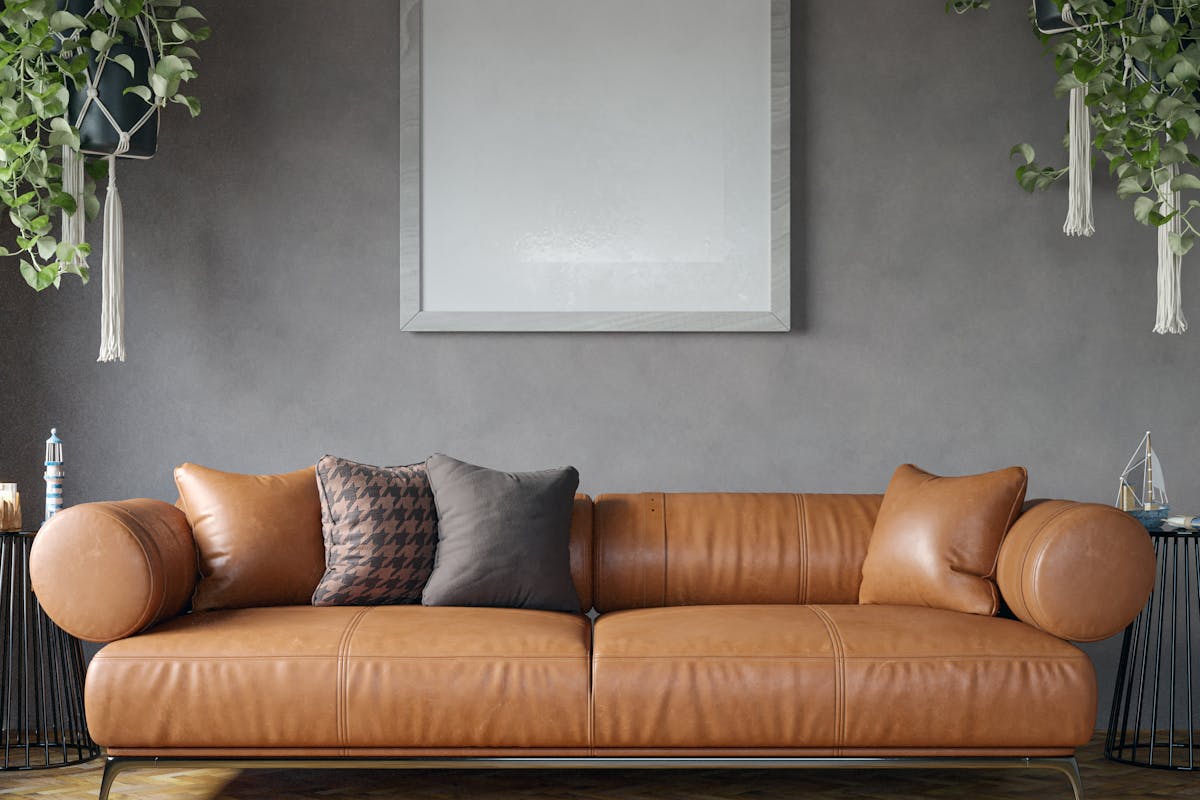
There’s a particular sequence of events that plays out in London living rooms with depressing regularity. Something gets spilled on the leather sofa – wine, a rogue splash of bolognese, a toddler with a biscuit and ambitions – and the affected party does what any modern person does in a moment of domestic crisis: they Google it. Within thirty seconds, they’re being confidently advised to reach for the baby wipes, or the washing-up liquid, or white vinegar and olive oil mixed together in what sounds less like a cleaning solution and more like a salad dressing. They follow the instructions, the stain disappears, and they congratulate themselves on a job well done.
Then, six months later, the sofa looks ten years older than it did before the spill.
Leather sofa care is one of the most myth-saturated areas of home cleaning, and the myths are particularly stubborn because many of the damaging products appear to work, at least in the short term. This article is about what’s actually happening beneath the surface – and what to do instead.
Leather Is Not What Most People Think It Is
The Different Types of Leather (and Why It Matters)
Before we talk about what damages leather, it’s worth establishing something that most cleaning advice skips entirely: “leather” is not a single material. The leather sofa in your front room could be any one of several quite different surfaces, and what’s appropriate for one can be actively harmful to another.
Full-grain leather is the premium option – the hide is minimally processed, retains its natural texture and markings, and is relatively breathable but also more porous and more sensitive to moisture and chemicals. Top-grain leather has had the surface sanded or buffed, often with a protective coating applied, making it more uniform in appearance and somewhat more forgiving. Bonded leather – which is essentially leather scraps and fibres compressed together and coated with polyurethane – is found in a lot of mid-range furniture and behaves almost nothing like genuine leather, despite being marketed as such. Then there’s suede and nubuck, which occupy their own category entirely and should probably prompt a separate article of their own.
Most households have no idea which of these is in their living room, and it’s rarely written on any label. The safest assumption, unless you bought top-end furniture with detailed material specifications, is that your sofa is more sensitive than you think it is.
How Leather Actually Behaves When It Gets Wet or Dirty
Genuine leather is essentially preserved animal skin, and it behaves accordingly. It’s porous – it breathes, absorbs moisture, and responds to its environment. The natural oils in leather are what keep it supple; strip those oils out and the material starts to dry, stiffen, and eventually crack. Apply the wrong substance and you can disrupt the surface finish, alter the pH balance of the material, or introduce moisture deep into the hide in a way that leads to mould, stiffness, or irreversible staining.
This is why the product you use matters enormously – not just in terms of whether it removes the mark you’re targeting, but in terms of what it does to the leather itself in the process. A cleaning product that leaves your sofa looking spotless but strips its natural oils is a net loss, even if it doesn’t look like one for several months.
The Damage Hall of Fame – Products That Seem Fine But Aren’t
Baby Wipes: The Most Dangerous “Safe” Option
Baby wipes are probably responsible for more damaged leather sofas in this country than any other single product, purely because they carry an aura of gentleness that their ingredient list does not entirely support. Yes, they’re designed for delicate skin. But “suitable for a baby’s bottom” and “suitable for finished leather” are not the same category of requirement.
Most baby wipes contain alcohol, fragrance compounds, and preservatives. Alcohol dries out leather rapidly and repeatedly, degrading the natural oils over time. Fragrances can cause surface discolouration, particularly on lighter leathers. The wipes are also typically slightly alkaline, and leather responds best to mildly acidic or pH-neutral conditions. Use baby wipes regularly on a leather sofa and you’ll get through a few years before the surface starts to crack or fade – but when it does, tracing it back to the wipes rarely occurs to anyone. The damage is slow, cumulative, and by the time it’s visible, it looks like ordinary wear rather than the result of a specific habit.
Washing-Up Liquid, Vinegar, and DIY Concoctions
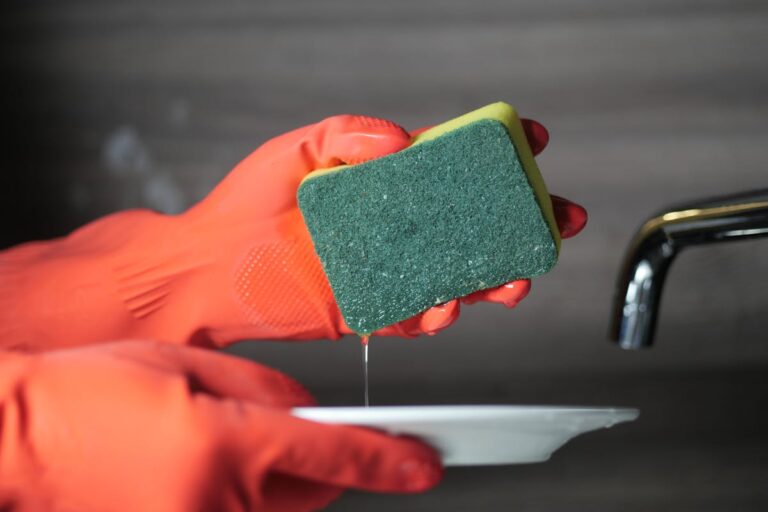
Washing-up liquid is another frequent offender, recommended online with a breezy confidence that the evidence doesn’t support. It’s a degreaser – excellent at what it does in the sink, where its job is to strip grease and oils. On a leather sofa, that capacity for stripping oils is precisely the problem. Even a diluted solution, used repeatedly, will dry out the leather and compromise its finish. Once or twice in a genuine emergency? Possibly survivable. As a regular cleaning method? Categorically not.
White vinegar deserves a specific mention because it appears in so many leather cleaning guides, often combined with water or olive oil. The vinegar-and-oil mixture is an especially stubborn piece of folklore. The acid in white vinegar – even diluted – can damage the protective coating on finished leather and affect the dye. The olive oil, meanwhile, doesn’t penetrate or condition leather the way proper leather conditioner does; it sits on the surface, goes rancid over time, and can leave the leather looking greasy and attracting more dirt. It’s the cleaning equivalent of a well-intentioned but fundamentally misguided intervention.
The Ones That Sound Professional But Aren’t
Furniture Polish and Multi-Surface Sprays
Products like Mr Sheen and similar furniture polishes were formulated for hard, non-porous surfaces – wood laminates, glass, certain plastics. On leather, they leave a waxy residue that coats the surface rather than caring for it, makes the sofa look temporarily glossy but gradually dulls its natural appearance, and can cause the leather to become slippery and oddly tacky over time. Multi-surface sprays are a similar story: convenient, versatile, and largely unsuitable for leather, which really does require material-specific treatment.
Alcohol-Based Products and Hand Sanitiser
The post-2020 habit of having hand sanitiser on every surface in the house has led to a new and flourishing category of accidental leather damage. Alcohol-based hand sanitiser dripped, sprayed, or wiped onto a leather sofa will bleach and dry the surface – and the higher the alcohol content, the faster and more dramatically it does so. If you’ve noticed pale patches on your sofa that appeared sometime after 2020, there’s a reasonable chance you’ve found the culprit.
What Actually Works – The Professional Approach
pH-Neutral Leather Cleaners and How to Use Them Properly
A proper leather cleaner – one formulated specifically for the material, pH-neutral, free from alcohol and harsh solvents – is the appropriate starting point for any cleaning task on a leather sofa. Products from brands such as Leather Clinic, Bick, or Leather Master are widely available, genuinely effective, and priced accessibly. More to the point, they clean without disrupting the leather’s structure.
The application method matters as much as the product itself. Always test on a hidden area first – the underside of a cushion, or a section of the back panel behind a cushion – and leave it for twenty-four hours before proceeding. Use a soft, lint-free cloth rather than anything abrasive. Work in gentle circular motions on small sections at a time. Never saturate the surface; a small amount of product goes further than you expect.
The Role of Leather Conditioner (and Why Most People Skip It)
Conditioner is the step that almost every household skips, and it’s probably the most important one. Think of it as moisturiser for the sofa – it restores the natural oils that cleaning and daily use gradually remove, keeping the leather supple and resistant to cracking. Applied every three to six months with a clean cloth, left to absorb for a few minutes, and then buffed gently, a good conditioner will extend the working life of a leather sofa by years.
The most common objection is that it feels unnecessary if the sofa looks fine. That is exactly the logic behind most forms of leather damage – it looks fine, right up until it doesn’t.
The Habits That Do More Damage Than Any Product
Sunlight, Heat, and the Slow Fade Nobody Notices
Direct sunlight is among the most reliably destructive forces a leather sofa can face, bleaching the colour and drying the material over time. A sofa positioned opposite a south-facing window without adequate UV protection from the glass will age visibly faster than one kept out of direct light. Central heating positioned directly beside or beneath a sofa has a similar drying effect. Neither problem has anything to do with cleaning products – but both significantly affect how the sofa responds to everything you do subsequently.
The Spill Response (What to Do in the First Sixty Seconds)
Speed is everything with liquid spills on leather. Blot – never rub – with a clean, dry cloth immediately. Rubbing spreads the spill and works it into the surface. Blotting lifts it. Once the excess is absorbed, leave the area to dry naturally at room temperature rather than attacking it with a hairdryer or sitting it in front of a radiator. Heat and leather are not friends, especially in the immediate aftermath of a spill when the surface is already compromised.
A Word From the Professionals – What We See Across London Homes
Leather sofa damage is one of the more dispiriting things to encounter on a professional clean – not because it’s uncommon, but because it’s almost always preventable and almost always traceable to a specific product that someone used in good faith. The baby wipes under the coffee table are something of a giveaway.
The higher the property value, the more likely the leather furniture – and, in our experience, not always the more likely the correct cleaning products. A beautifully fitted Kensington flat with original skirting boards and a wine fridge is just as likely to have a bottle of Fairy next to the sofa as anywhere else in the city. Expensive furniture doesn’t automatically come with expensive knowledge.
The honest truth is that leather is a material that responds extraordinarily well to minimal, correct intervention and very badly to enthusiastic, incorrect intervention. A soft cloth, the right cleaner, a regular condition – that’s genuinely all it takes to keep a leather sofa looking like itself for a decade or more.
Conclusion: What You Don’t Use Matters As Much As What You Do
With leather sofas, the most important cleaning decision you make is often a decision not to reach for something. Not the baby wipes. Not the vinegar. Not whatever the top Google result happens to be recommending this week.
The material is durable in the right conditions and fragile under the wrong ones, and the gap between those two outcomes is smaller than most people realise. Get the products right, condition regularly, and treat spills quickly with a cool head and a blotting cloth – and a leather sofa will reward that modest level of care with years of good service.
The internet will keep recommending the salad dressing approach. You’re now in a position to ignore it.
About the Author