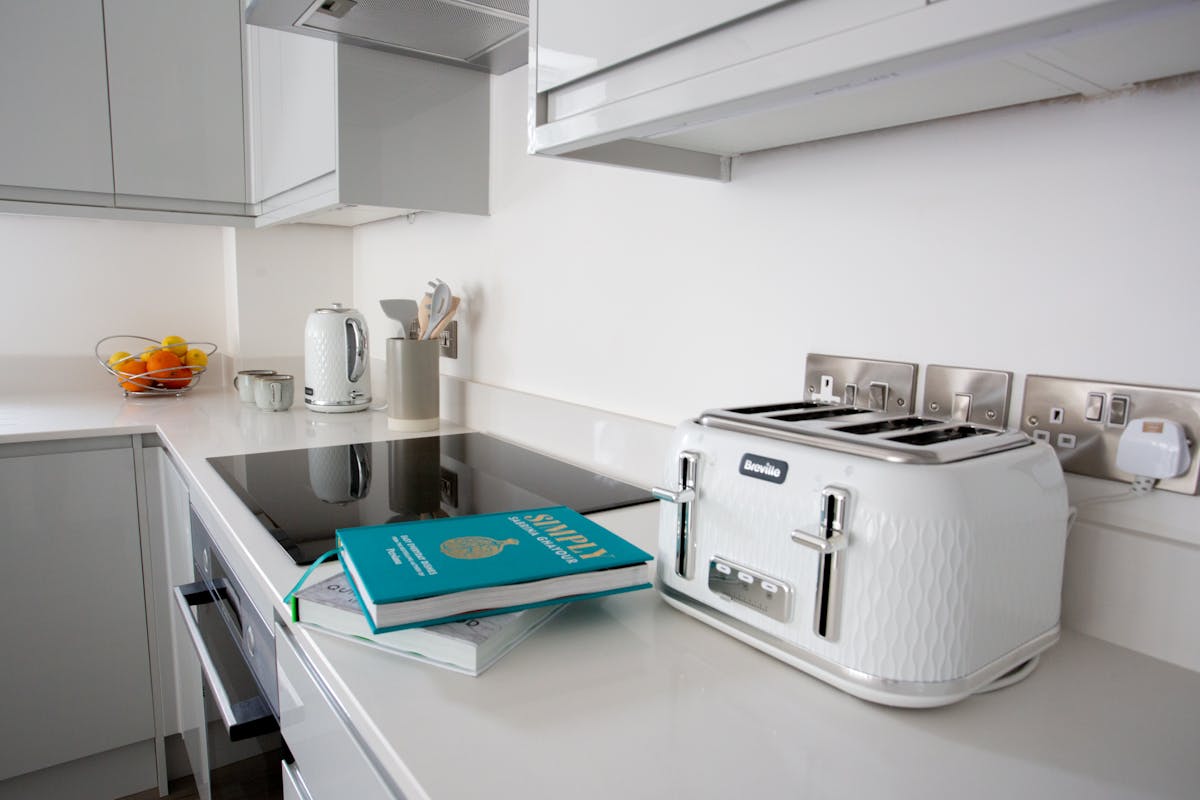
There is, in the average British kitchen, a small removable tray that slides out from the bottom of the toaster and has, in many households, never once been deliberately removed by a human being. It was acknowledged briefly when the toaster was first unboxed, identified in the instruction leaflet as “the crumb tray,” and then silently agreed upon by everyone in the household to be someone else’s responsibility, indefinitely, forever. It is not, as it happens, someone else’s responsibility. It is yours. And if it hasn’t been emptied since the toaster arrived, it currently contains a compressed archaeological record of every piece of toast, crumpet, and ill-advised Pop-Tart you’ve put through that machine – all of it dry, all of it directly beneath a heating element, all of it waiting.
This is not meant to alarm you. It is, however, meant to get your attention.
The Fire Hazard That Lives on Your Kitchen Worktop
Why Crumbs and Heating Elements Are a Genuinely Bad Combination
A toaster works by passing electricity through resistive heating elements that reach temperatures of well over 300 degrees Celsius during normal operation. The crumb tray sits directly beneath those elements. When the tray is functioning as intended – emptied regularly, free of significant accumulation – that proximity is fine. The crumbs that fall through are minimal, the tray is cleared before they build up, and the whole arrangement works as the designers envisaged.
When the tray hasn’t been emptied in, conservatively, eighteen months, the situation is different. Accumulated crumbs directly beneath superheated elements represent a straightforward ignition risk – dry organic material, sustained high heat, occasional grease from buttered toast adding accelerant to the mix. House fires traced back to toasters are not the stuff of overcautious product warnings; they account for a meaningful proportion of kitchen fires in this country every year. The Royal Society for the Prevention of Accidents has consistently flagged toasters as among the most common domestic fire starters in British homes. It’s not the toaster itself that’s the problem – it’s the crumb tray nobody cleans.
The Crumbs You Can’t See Are the Ones That Matter Most
There’s a secondary issue that makes the crumb tray problem worse than it looks from the outside, which is that the visible tray is only part of the story. Crumbs migrate. They fall through the heating element cage, they settle in corners the tray doesn’t quite reach, they accumulate around the internal walls of the toaster in places no tray was ever designed to capture. A toaster that looks clean from the outside – slot covers on, sitting neatly on the worktop, no crumbs visible – can have a substantial internal accumulation that only becomes apparent when you turn it upside down over the sink and watch what emerges with a mounting sense of personal disappointment.
The crumb tray is where you start. The interior is where you finish. Both matter.
The Correct Way to Clean It – Properly, Not Approximately
Before You Touch Anything: The Non-Negotiable First Step
Unplug the toaster. This is not a suggestion dressed up as an instruction – it is the instruction, full stop. A toaster that is plugged in but switched off is still connected to the mains, and water or cleaning products near electrical components with live current available is a risk that no degree of crumb-related urgency justifies. Unplug it from the wall. Then wait. If the toaster has been used recently, the elements retain heat for longer than you’d expect. Give it at least twenty minutes before you start handling it.
While you’re waiting, take the toaster to a surface you don’t mind getting crumby – the area over the bin, ideally, or a spread of newspaper over the worktop. Not directly above the clean kitchen surface you’re about to wipe down afterwards.
Removing and Emptying the Crumb Tray
Most crumb trays slide out from the base of the toaster – a horizontal slot, usually at the front or the back depending on the model, that pulls out without requiring any tools or particular force. If yours appears stuck, it’s almost certainly because accumulated crumbs have expanded sufficiently to create friction. Ease it out gently rather than yanking; a vigorous pull on a stuck tray tends to send its contents airborne in a way that is briefly dramatic and immediately regrettable.
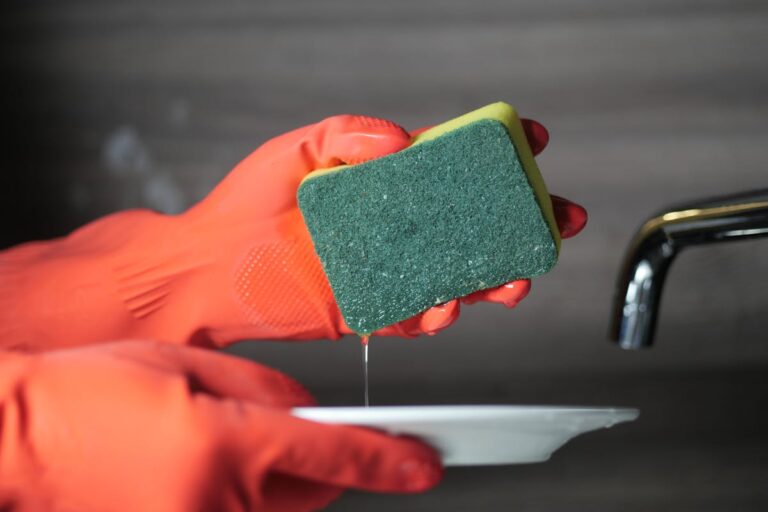
Empty the tray over the bin and take a moment to register what was in it. Use a soft brush – a clean pastry brush or a dedicated kitchen brush works well – to dislodge anything baked on. Then wash the tray in warm soapy water, rinse thoroughly, and leave it to dry completely before replacing it. Completely dry means completely dry; a damp tray reinstalled beneath a heating element is replacing one problem with another.
Cleaning the Interior
With the tray removed, turn the toaster upside down over the bin and give it a gentle but deliberate shake. What emerges will vary based on your crumb tray maintenance history and should be regarded without judgement. Use a pastry brush or a dedicated soft brush to work through the slots – carefully, without pressing hard against the heating elements, which are fragile and expensive to damage – and dislodge whatever the shake didn’t shift.
Do not, under any circumstances, use water inside the toaster. Do not use a damp cloth inside the toaster. Do not spray anything inside the toaster. The interior of an electrical appliance is not a surface that tolerates moisture, and “it’s unplugged” does not make water near the element a sensible idea. Dry methods only for the interior – brush, gentle shake, compressed air if you have it. The exterior can be wiped with a lightly damp cloth once you’ve finished with the interior, but the inside stays dry throughout.
The Habits That Make the Problem Worse
Toast Settings, Butter, and the Grease Variable
Plain bread, correctly sized for the slot, produces manageable crumbs. The real escalation comes from everything else. Crumpets shed aggressively and their holes deposit a considerable volume of debris. Anything with seeds – seeded bread, bagels, anything with a topping that looked appealing in the bakery – treats your toaster as a distribution mechanism. And anything buttered on the way in rather than on the way out introduces grease to the accumulation, which binds crumbs together, resists dry brushing, and raises the combustion risk considerably.
None of this means you should stop having crumpets. It means crumpet consumption should probably correlate with slightly more frequent crumb tray attention.
Toaster Bags: Helpful But Not the Full Answer
Toaster bags – the reusable silicone-coated mesh bags designed to hold sandwiches, cheese toasties, and other fillings while they go through the toaster – have become genuinely popular and they do reduce interior crumb scatter considerably. What they don’t do is eliminate it, and they certainly don’t address whatever was already in the tray before they arrived. They’re a useful addition to the routine, not a replacement for the routine.
How Often Should This Actually Be Done?
The Realistic Maintenance Schedule
The crumb tray in a household that uses the toaster daily should be emptied weekly. That sounds more demanding than it is – the entire process takes approximately ninety seconds, requires no products, and prevents the kind of cumulative build-up that makes the job genuinely unpleasant to tackle later. A full clean, including the interior, is a monthly task for heavy users and a quarterly one for households where the toaster sees lighter service.
The signal that you’ve left it too long is usually olfactory – a slightly scorched, slightly stale smell when the toaster is in use that has nothing to do with the bread and everything to do with the archaeology beneath the heating element. If you’ve noticed that smell and attributed it to the bread, it wasn’t the bread.
The Annual Deep Clean Worth Scheduling
Once a year, it’s worth going beyond the routine maintenance to a more thorough assessment. Remove the crumb tray, clean the exterior with a suitable appliance cleaner or a barely damp microfibre cloth, check the cord and plug for any signs of wear while you have it unplugged, and make an honest evaluation of whether the toaster is still performing well or whether it’s developed the kind of uneven toasting pattern that suggests an element is beginning to fail. A well-maintained toaster lasts considerably longer than a neglected one and costs considerably less than a kitchen fire.
What We See in London Kitchens
The toaster crumb tray is, professionally speaking, the kitchen equivalent of the space behind the radiator – everyone knows it exists, most people are aware it probably needs attention, and a remarkable number of households have reached a silent collective agreement to leave it until further notice. We encounter it across the full breadth of London properties – studio flats in Brixton where the toaster shares a worktop with everything else the kitchen contains, and sizeable family kitchens in Richmond where it sits on a dedicated appliance shelf surrounded by matching accessories and hasn’t been touched since the matching accessories arrived.
What changes the behaviour, in our experience, is usually the same thing: someone explains why it matters. Not just that it’s unhygienic – though it is – but that it represents a genuine and preventable risk. The crumb tray is not a minor domestic admin item in the same category as descaling the kettle or cleaning the extractor filter. It is the one cleaning task in the kitchen with a direct line to a fire starting. That context tends to reframe it rather effectively.
Ninety Seconds, Once a Week
The crumb tray problem is not a difficult one. It requires no specialist products, no particular skill, and no significant investment of time. It requires remembering that it exists and then doing something about it on a regular basis – which is, admittedly, the hardest part of any maintenance task that doesn’t announce itself with an obvious smell or a visible mess.
Pull out the tray. Empty it over the bin. Wash it, dry it, put it back. Take the whole toaster outside or over the sink once a month and give it an upside-down shake with a brush. Unplug it first, always.
It is genuinely, straightforwardly, that simple – and it is the difference between a kitchen appliance doing its job reliably for a decade and a small, dry, heat-adjacent situation that escalates in a direction nobody’s morning routine is equipped to handle.
About the Author